Demystifying the Famous 10-Step Korean Skincare Routine
Published on July 10, 2026
The famous Korean 10-step skincare routine is best understood as a flexible framework, not a strict daily checklist. It lays out ten possible stages, from cleansing all the way to sun protection, that you can mix, shorten, or expand depending on your skin type and how much time you have. Most people don't actually perform all ten steps every single day. The real idea behind the routine is gentle, consistent layering: cleanse thoroughly, add lightweight hydration in thin layers, treat specific concerns, and protect your skin from the sun. This guide walks through what each step does, the thinking behind the order, and how to build a version that fits your real life.
What the 10-Step Routine Really Is
The "10-step" label became popular outside Korea in the mid-2010s, when Korean beauty writers and retailers introduced Western audiences to the layered approach many Koreans already used. The number caught on because it was memorable, but it can be misleading. Korean skincare is less about hitting a magic count of products and more about a mindset: treat healthy, hydrated, well-protected skin as the foundation, and reach for heavy makeup only when you want to.
That mindset is part of a broader cultural emphasis on appearance and everyday self-care that also shows up in areas ranging from Korean saunas and wellness to plastic surgery tourism in Korea. Skincare, though, is one of the most accessible corners of that culture. It is a daily ritual that almost anyone can adopt, and it is built around patience rather than dramatic quick fixes.
So when you see the ten steps listed out, read them as a menu of options. On a busy morning you might use three or four. On a slow evening you might use more. The order matters more than the total number.
The Ten Steps, in Order
The sequence follows a simple logic: clean the skin, prepare it, treat it, then seal and protect. Here is what each stage is for.
Steps 1 and 2: Double Cleansing
The routine opens with two cleansers. First comes an oil-based cleanser, which dissolves oil-based grime such as sunscreen, makeup, and the sebum your skin produces during the day. Next comes a water-based cleanser, usually a gel or foam, which clears away sweat and water-based residue. Using both, one after the other, is called double cleansing, and it is one of the most influential ideas Korean skincare has exported. The goal is clean skin without the tight, stripped feeling that a single harsh wash can leave behind.
Step 3: Gentle Exfoliation
Exfoliation removes dead surface cells so the products that follow can absorb more evenly. This is not a daily step. Most routines include it only a couple of times a week, because over-exfoliating can irritate the skin and undo the gentleness the rest of the routine is built around.
Step 4: Toner
In Korean skincare, toner is not the astringent, alcohol-heavy product some people remember from decades past. It is a hydrating step that rebalances the skin after cleansing and preps it to absorb the layers to come. Many are watery and lightweight, meant to be patted in rather than wiped off.
Step 5: Essence
Essence is often described as the heart of a Korean routine. It is a lightweight, watery layer aimed at boosting hydration and helping later products work better. If you only add one "extra" step beyond the basics, this is frequently the one people choose.
Step 6: Serums, Ampoules, and Treatments
This is the targeted step. Serums and ampoules are concentrated products aimed at specific concerns such as dullness, uneven tone, or dryness. Because they are potent, this is where you address the things you personally care about most, rather than following a one-size-fits-all script.
Step 7: Sheet Masks
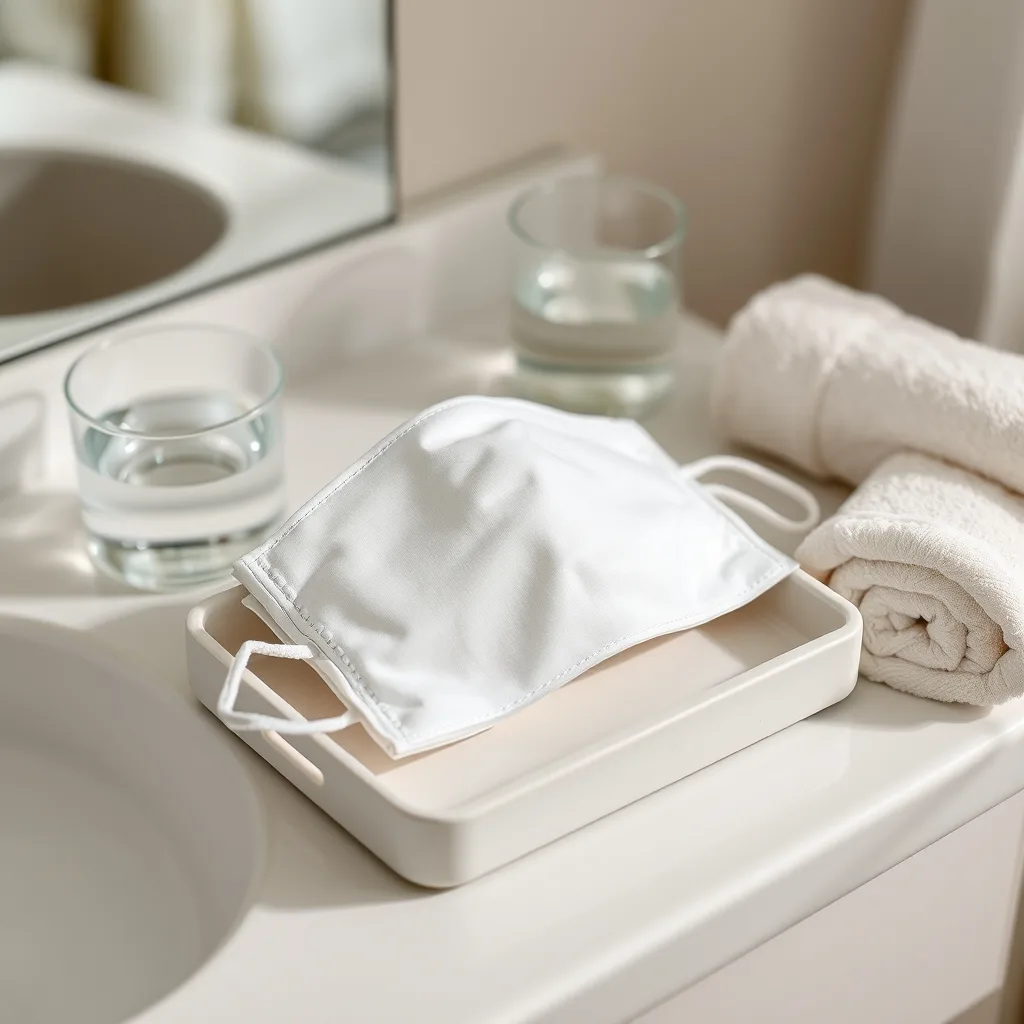
A sheet mask is a single-use cotton or hydrogel sheet soaked in a hydrating solution. You leave it on for a short while, then pat in whatever remains. Sheet masks are an occasional treat in most routines rather than a daily habit, and they are a big part of why Korean skincare feels approachable and even relaxing.
Step 8: Eye Cream
The skin around the eyes is thin and delicate, so many routines include a dedicated, gentle cream for that area. It is an optional step, and plenty of people skip it, but it is included in the classic ten.
Step 9: Moisturizer
Moisturizer seals in all the hydrating layers underneath and helps keep water from escaping the skin. Textures range from light gels for oilier skin to richer creams for drier skin, so the same step looks different from person to person.
Step 10: Sunscreen by Day, or a Sleeping Mask by Night
In the morning, the routine ends with sunscreen, which is widely treated as the single most important step of all for protecting the skin over time. At night there is no sun to guard against, so the final step is often a heavier night cream or a sleeping mask that works while you rest.
The Philosophy Behind the Sequence
Two ideas hold the whole routine together. The first is layering from thinnest to thickest: watery products go on first so they can absorb, and richer creams go on last to seal everything in. The second is prevention over correction. Rather than waiting for problems and fixing them, the routine tries to keep skin hydrated, calm, and shielded from the sun so problems are less likely to appear.
This is also where the popular Korean beauty ideals come from. Terms like "glass skin" describe a smooth, luminous, well-hydrated look, and the everyday Korean word "chok chok" captures that dewy, moist feeling many people are aiming for. Those looks are less about foundation and more about the condition of the skin underneath.
How Koreans Actually Use It Day to Day
It is worth repeating: the full ten-step version is not a daily reality for most people. A typical morning might be a quick cleanse, an essence or moisturizer, and sunscreen. A typical evening might add double cleansing and a serum. Exfoliation happens a few times a week, and sheet masks appear when someone wants a little extra care or simply time to relax.
The routine is meant to flex with your skin. If your skin feels dry, you add hydrating layers. If it feels congested, you simplify. The number of steps rises and falls with the season, your mood, and how your skin is behaving that week. Treating the ten steps as a rigid rule misses the point; treating them as a well-organized toolkit is closer to how it actually works.
A Simpler Routine for Beginners
If ten steps feels like too much, you can capture most of the benefit with four. Cleanse (double cleanse at night if you wear sunscreen or makeup), add one hydrating layer such as a toner or essence, apply a moisturizer, and finish every morning with sunscreen. From there you can add a serum for a specific concern or a sheet mask when you feel like it.
Many of the products in these routines are picked up at everyday health-and-beauty stores in Korea, most famously the chain Olive Young, where testers and staff recommendations make it easy to compare options. A dedicated shopping guide is the better place to choose specific products; the aim of this article is to explain the routine itself so you know what those products are for.
Common Misunderstandings
A few myths are worth clearing up. More steps do not automatically mean better skin; piling on products can irritate skin as easily as it helps. The number "10" is a marketing-friendly frame, not a requirement. Sunscreen, not some exotic serum, is the step most people should never skip. And new products should be introduced slowly, one at a time, so you can tell what your skin likes and what it does not. If you have a persistent skin condition, this routine is general guidance and not a substitute for advice from a dermatologist.
Frequently Asked Questions
Q: Do I really need all 10 steps?
Answer: No. Many people don't use all ten every day. The ten steps are a menu, not a mandate. A simple routine of cleanser, one hydrating layer, moisturizer, and daytime sunscreen already covers the essentials for most people.
Q: What is double cleansing, and do I have to do it?
Answer: Double cleansing means using an oil-based cleanser first to remove sunscreen, makeup, and oil, then a water-based cleanser to clear the rest. It is most useful at night, especially if you wear sunscreen or makeup. In the morning, a single gentle cleanse is usually enough.
Q: What is the difference between toner, essence, and serum?
Answer: In a Korean routine, toner is a light hydrating step after cleansing, essence is a watery layer focused on boosting hydration, and serum or ampoule is a concentrated product aimed at a specific concern. They get thicker and more targeted as you move down the list.
Q: Which single step matters most?
Answer: Daytime sunscreen is widely considered the most important step, because sun exposure is one of the biggest long-term factors for skin over time. If you only adopt one habit from the routine, make it consistent sun protection.
Q: How often should I exfoliate or use a sheet mask?
Answer: Exfoliation is usually only a couple of times a week, not daily, because overdoing it can irritate the skin. Sheet masks are an occasional treat rather than a required step, so use them when your skin wants extra hydration or when you simply want to unwind.
Q: Can beginners start with fewer steps and build up?
Answer: Yes, and that is the recommended approach. Start with a cleanser, a moisturizer, and sunscreen, then add one product at a time so you can see how your skin reacts before layering on more.
Bottom line: the Korean 10-step routine is a flexible framework built on gentle layering and sun protection, not a daily ten-item obligation. Learn what each step does, keep the ones your skin actually needs, and let the routine flex with the season and your mood.