Korea Travel Cards Explained: T-money, WOWPASS, and the Best Card for Tourists
Published on June 27, 2026
If you are visiting South Korea, the single most useful thing you can pick up on your first day is a rechargeable transit card. A T-money card — or a foreigner-friendly version like WOWPASS or Namane — lets you tap onto almost every subway, bus, and taxi in the country, and even pay at convenience stores, without ever fumbling for cash. This guide explains the main cards, how they differ, where to buy and recharge them, and which one fits the way you travel.
Korea runs on tapping. Locals almost never pay transit fares with coins or bills, and the whole system is built around the assumption that you are holding a card. Paying a single cash fare is slower, it usually costs a little more, and it skips the free transfer between subway and bus that card users get automatically. For a visitor, getting a card is the difference between gliding through the gates and holding up the line behind you.
What a Korean Transit Card Actually Does
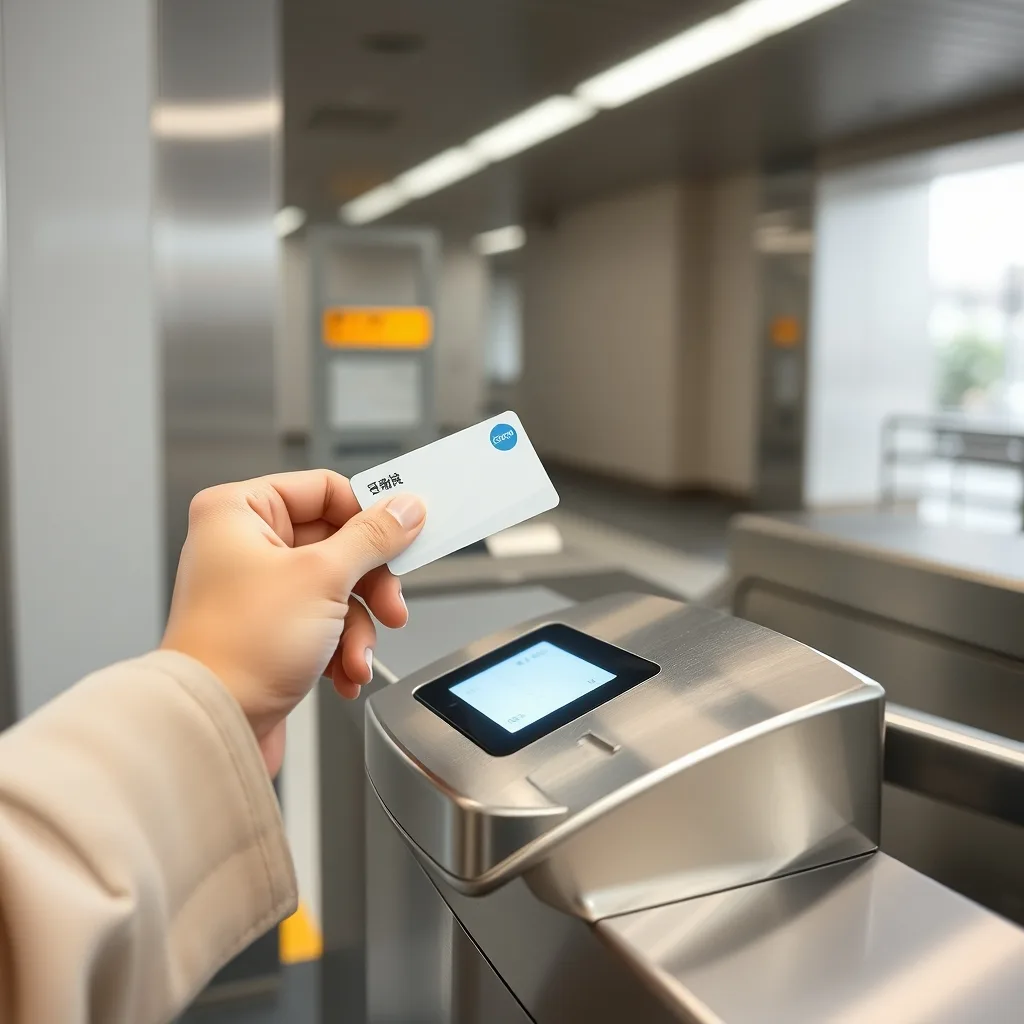
The backbone of the system is the T-money card, a thin rechargeable card you load with credit and tap on a reader as you pass through the gate. EZL — the card recently rebranded from Cashbee — is a near-identical alternative, and for a traveler the two behave the same way. Both work nationwide — not just in Seoul, but on subways and city buses across the country — and both keep your fare on the card rather than tied to a bank account.
The cards do more than transit, too. You can tap to pay at most convenience stores, at many vending machines, and at some taxis and small shops. That overlap is part of why so many residents treat the card as everyday infrastructure rather than a tourist gadget. If you have spent any time reading about how people no longer carry wallets in Korea, the humble transit card is a big part of that story.
The key idea to remember is simple: load credit onto the card, tap on, tap off, and top it up when it runs low. Everything else is a variation on that one habit.
The Main Cards, Compared
T-money and EZL (formerly Cashbee)
These are the simplest and cheapest options, and for most short trips they are all you need. You can buy them almost anywhere, load them with cash, and start tapping immediately. If you pick up a non–T-money transit card at a convenience store today, it will most likely carry the "EZL" name rather than the older "Cashbee" branding, since the two are the same product after a rebrand. The card itself costs a small one-time amount that is not refundable, but the credit you load is — you can usually claim the unused balance back before you leave. If your trip is mostly subway and bus rides with the occasional snack run, a plain T-money card is hard to beat.
WOWPASS
WOWPASS is built specifically for foreign visitors, and it bundles two things into one card. First, it works as a prepaid payment card you can use in stores, because you load it by exchanging foreign cash or charging it from a card at a WOWPASS kiosk. Second, it carries a built-in T-money transit function, so the one card can both ride the subway and pay at shops.
There is one catch worth knowing before you rely on it. A WOWPASS card keeps its payment balance and its T-money transit balance as two separate wallets. When you load foreign currency at a WOWPASS kiosk, that money goes into the payment balance — it does not automatically become transit credit. To actually ride, you have to move money onto the T-money side, either through the WOWPASS app's tap-to-charge feature on your phone or by topping up the transit balance with cash at a convenience store or station machine. Skip that step and the fare gate will reject the card even when the payment balance is full. It is the single most common surprise for first-time WOWPASS users, so plan for it. With that in mind, WOWPASS is a convenient all-in-one option if you want to handle currency exchange and everyday spending in one place and skip carrying a separate bank card.
Namane Card
Namane is a prepaid card you can personalize, even printing your own photo or design on the face, issued through kiosks and a companion app. Beyond the novelty, it works as both a payment card and a T-money transit card. It is a nice option if you want a small keepsake from the trip that still does real work in your pocket.
Korea Tour Card
The Korea Tour Card is a tourist-branded version of T-money. It taps onto transit like a standard card, and it is sometimes paired with discounts at attractions and shops aimed at visitors. Functionally, think of it as a T-money card with a few traveler perks attached.
Climate Card (Seoul Unlimited Pass)
If your trip is heavy on Seoul sightseeing, the city's Climate Card is worth a serious look. Instead of charging per ride, it is an unlimited-ride pass for Seoul's subway and city buses, and short-term versions are sold for tourists in 1-, 2-, 3-, 5-, and 7-day options, ranging from roughly 5,000 to 20,000 KRW plus a small one-time fee for the physical card. For a traveler hopping on and off transit many times a day inside Seoul, an unlimited pass can be the most economical choice of all. The one thing to keep in mind is that it is a Seoul-area pass, not a nationwide card like T-money, so it is best suited to trips centered on the capital.
Where and How to Buy and Recharge
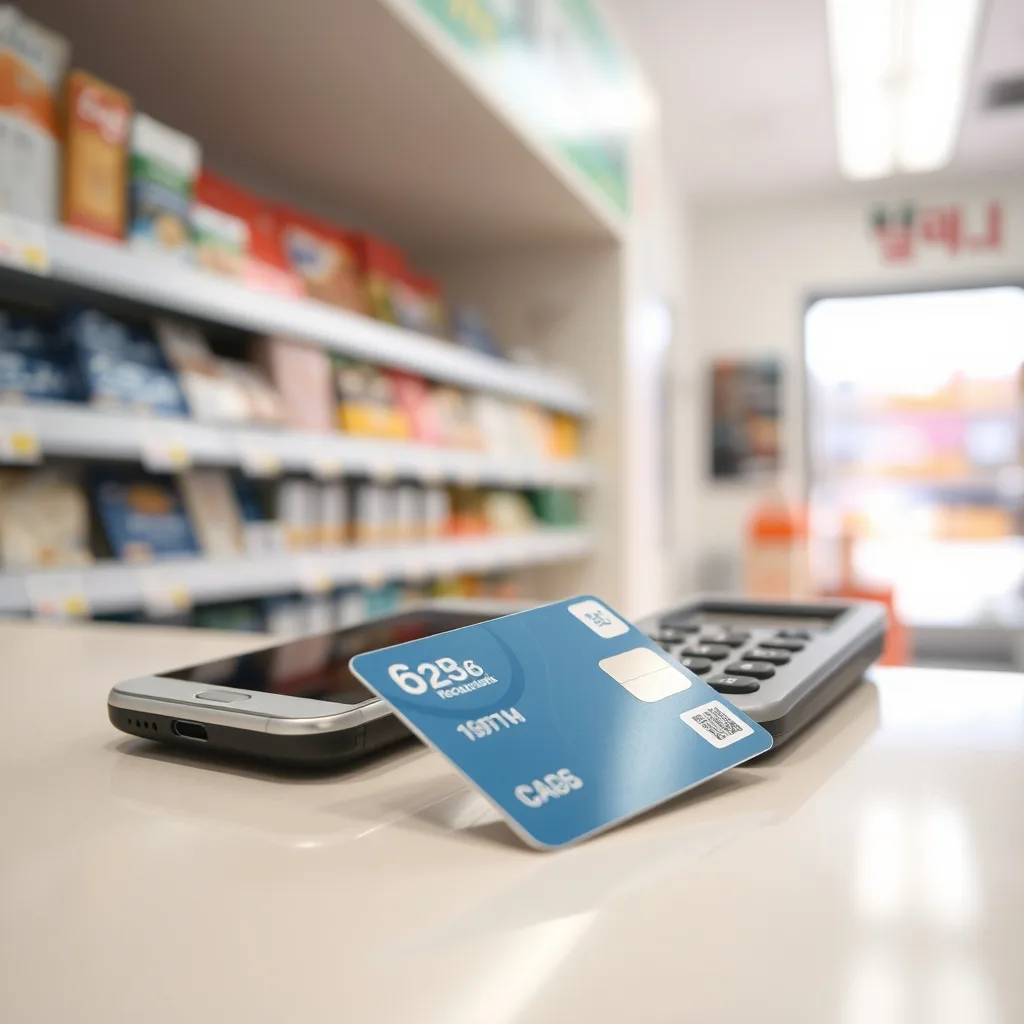
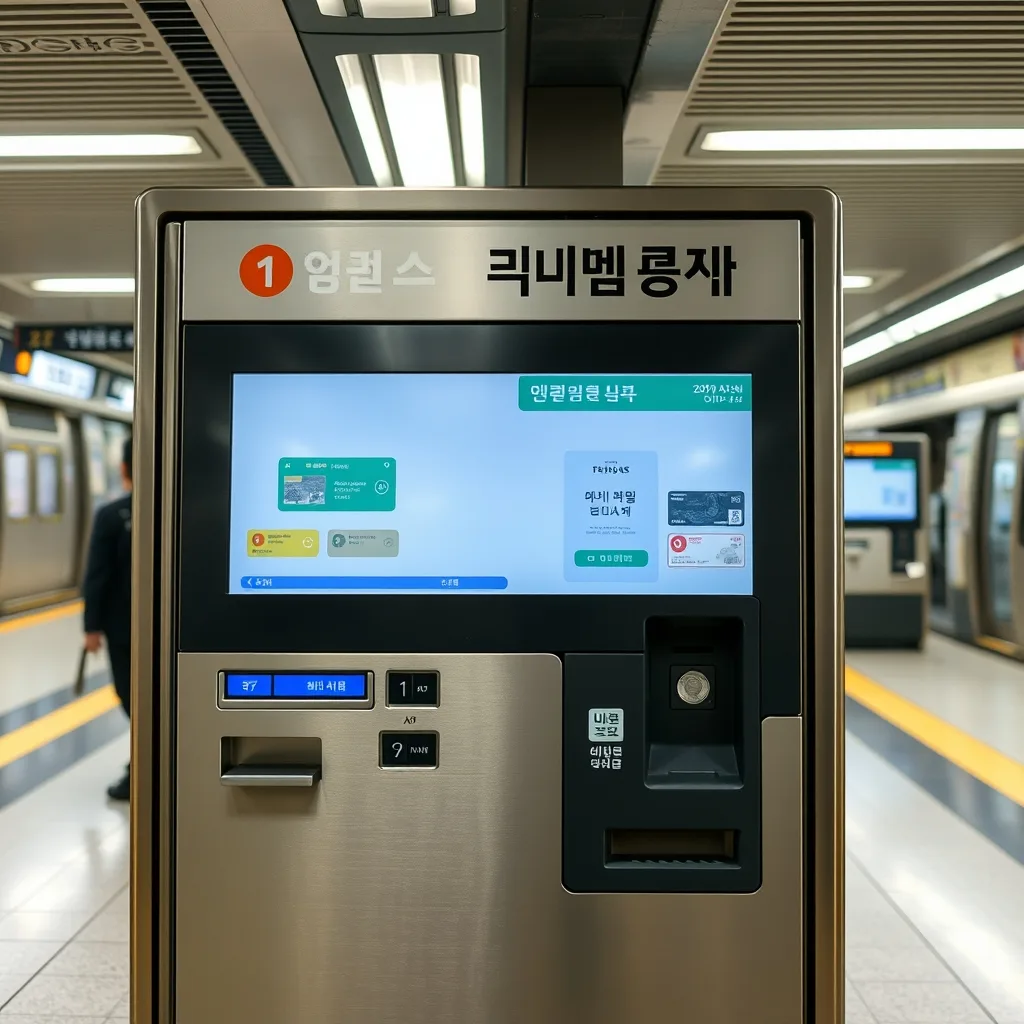
A standard T-money or EZL card is the easiest to find. Pick one up at almost any Korean convenience stores, or from the vending machines inside subway stations. Just ask the clerk for a transit card, choose a design, and load some credit on the spot. To top up later, use the same convenience-store counter or the recharge machines in stations. Seoul's subway has made this easier than it used to be: the station top-up machines on lines 1 through 8 now accept foreign-issued credit and debit cards, so you can recharge without cash for a small service fee of approximately 3.7 percent. It still helps to keep some cash on hand, though, because convenience-store top-ups generally remain cash-only.
WOWPASS and Namane work a little differently. Both are issued from their own dedicated kiosks, which you will find in major subway stations and at the airport. There you can load the card with foreign currency or a card, and the machine walks you through the steps in English.
One habit trips up a lot of first-timers: on the subway you tap both when you enter and when you exit, because fares are based on distance. On a city bus you tap as you board, and tap again when you get off if you want the transfer discount to apply. Once you get the rhythm, it becomes automatic.
Which Card Should You Choose?
For a short, simple visit where you mostly ride transit and buy the occasional snack, a plain T-money or EZL card is the practical pick. If you would rather carry one card for both spending and transit — and you want to exchange currency while you are at it — WOWPASS is the strongest all-in-one option. And if you like the idea of a customized card to take home, Namane covers the same transit and payment functions with a personal touch. Finally, if you expect to spend your days crisscrossing Seoul on the subway and buses, the unlimited Climate Card pass can work out cheaper than paying for each ride.
A quick word on phones: Korea does support mobile transit through some devices, but it is mainly limited to Korean Android phones. Travelers with an iPhone or a phone bought outside Korea generally cannot load T-money onto their device, so a physical card remains the reliable choice for visitors.
A Few Practical Tips
Keep a working balance on the card, but resist loading a large amount near the end of your trip. At a convenience store you can refund unused T-money credit up to about 20,000 KRW (roughly $15), minus a fee of approximately 500 KRW; larger balances, up to around 50,000 KRW, are refunded at station customer centers, and anything above that at a T-money center. On city buses you can usually pay for more than one passenger with a single card by telling the driver and tapping again; on the subway, each person needs their own tap and their own card. And before you fly home, stop by a convenience store to refund whatever credit is left — it only takes a moment, and there is no reason to leave money on the card.
Whichever card you choose, the underlying experience is the same: one tap to ride, one tap to pay, and a much smoother trip than counting out cash at every gate.
Frequently Asked Questions
Q: Do I really need a transit card, or can I just use cash?
Answer: You can pay some fares in cash, but a card is strongly recommended. Card users get automatic transfer discounts between subway and bus, move through gates faster, and can also tap to pay at convenience stores. For most visitors, a transit card pays for its small cost in convenience within the first day.
Q: What is the difference between T-money and WOWPASS?
Answer: T-money is a simple, cheap transit card you load with cash and use for rides and small purchases. WOWPASS is aimed at foreigners and bundles currency exchange and a prepaid payment card together with a built-in T-money transit function. Choose T-money for simplicity, or WOWPASS if you want one card for both spending and transit. Just remember that a WOWPASS card keeps its payment balance and its transit balance separate, so you must move funds to the T-money side — through the app or a cash top-up — before you can ride.
Q: Can I use my phone instead of a card?
Answer: Sometimes, but not reliably as a visitor. Mobile transit in Korea is mainly supported on Korean Android phones, and travelers with an iPhone or a phone purchased abroad usually cannot load a transit card onto it. A physical card is the dependable option.
Q: Can I get my unused balance back before I leave?
Answer: Yes. The credit you load onto a T-money card is refundable. Convenience stores refund balances up to about 20,000 KRW (roughly $15), minus a fee of approximately 500 KRW, while larger amounts — up to around 50,000 KRW — are handled at station customer centers. The small fee for the card itself is not refundable, but the remaining ride credit is.