Is Seoul Safe for Solo Female Travelers? A Practical Safety Guide
Published on June 26, 2026
Yes — Seoul is widely considered one of the safest major cities in the world for solo female travelers. Violent crime rates are low, the streets stay busy and well-lit late into the night, CCTV coverage is extensive, and the city has built dedicated women's-safety infrastructure into ordinary neighborhoods. None of this removes the need for normal travel common sense, but most solo female visitors describe Seoul as a city where they feel unusually relaxed walking around, even after dark.
This guide explains why Seoul feels so safe, what safety systems you will actually notice on the street, and the practical precautions worth keeping in mind.
Note: This guide is for general informational purposes only and is not professional, medical, or legal advice. In a real emergency, call 119 or 112 immediately, and confirm time-sensitive details (numbers, procedures, hours) with the official sources below.
Why Seoul Feels Safe for Solo Travelers
Seoul consistently ranks among the safer large cities in global safety indices, and the everyday experience matches that reputation. Cafés and shops stay open late, public transport runs frequently, and it is normal to see people out walking, eating, and commuting well past midnight. A busy street is a safe street, and central Seoul rarely empties out.
Two things stand out to visitors. First, the sheer density of CCTV: cameras are mounted across streets, subway stations, buses, and building entrances. Second, the social norms around personal belongings — it is common to see people leave a phone or bag on a café table to hold their seat while they order. Lost items are frequently handed in rather than taken.
For solo female travelers specifically, this translates into a city where late-night movement between a subway station and accommodation generally feels low-stress. That said, "safe overall" does not mean "zero risk," so the rest of this guide focuses on the systems and habits that keep it that way.
Seoul's Women's-Safety Infrastructure
What surprises many visitors is how much safety hardware is built directly into residential streets. You will likely walk past several of these without realizing what they are.
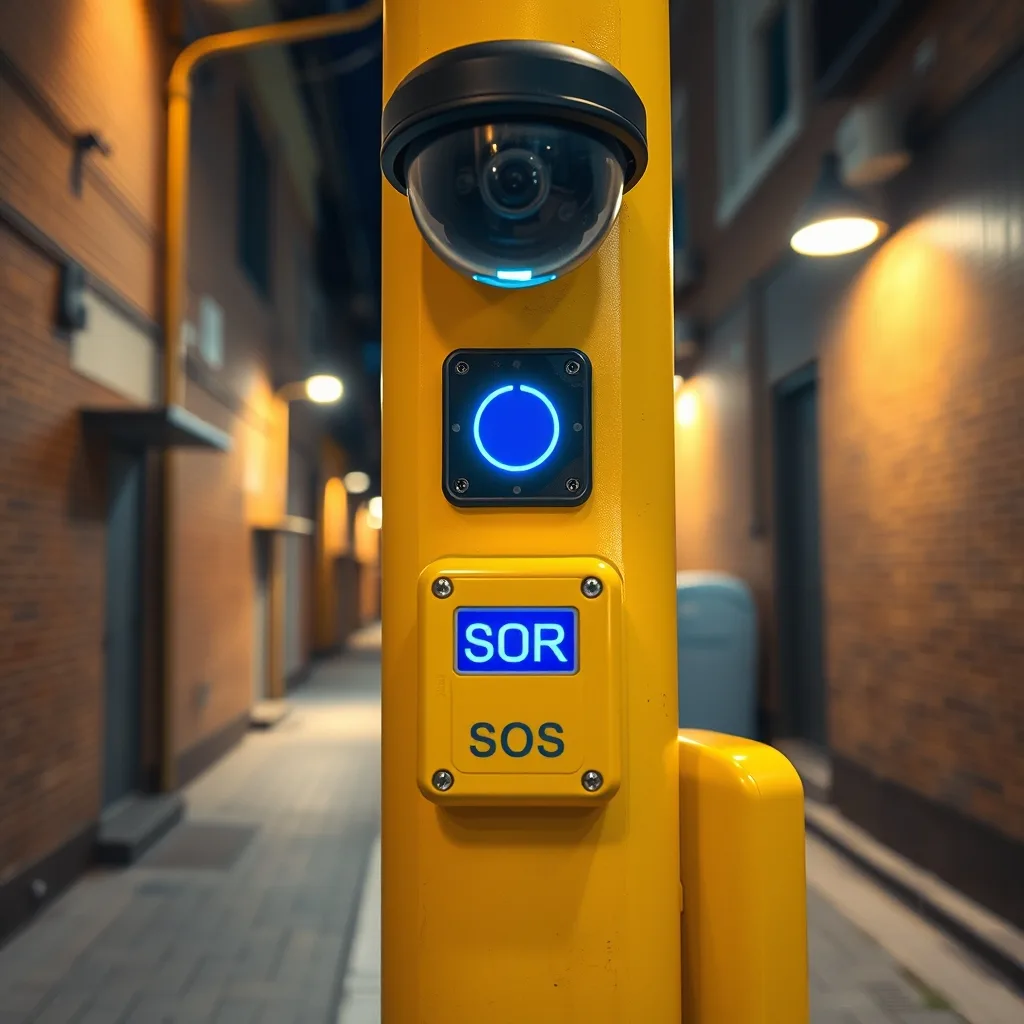
Smart safety poles. In many alleys and quiet streets you will see brightly painted poles fitted with a CCTV camera, an LED security light, and a clearly marked emergency SOS button under a protective cover. Pressing it connects to a control center and triggers lighting and recording — a visible deterrent placed exactly where narrow side streets used to feel dim.
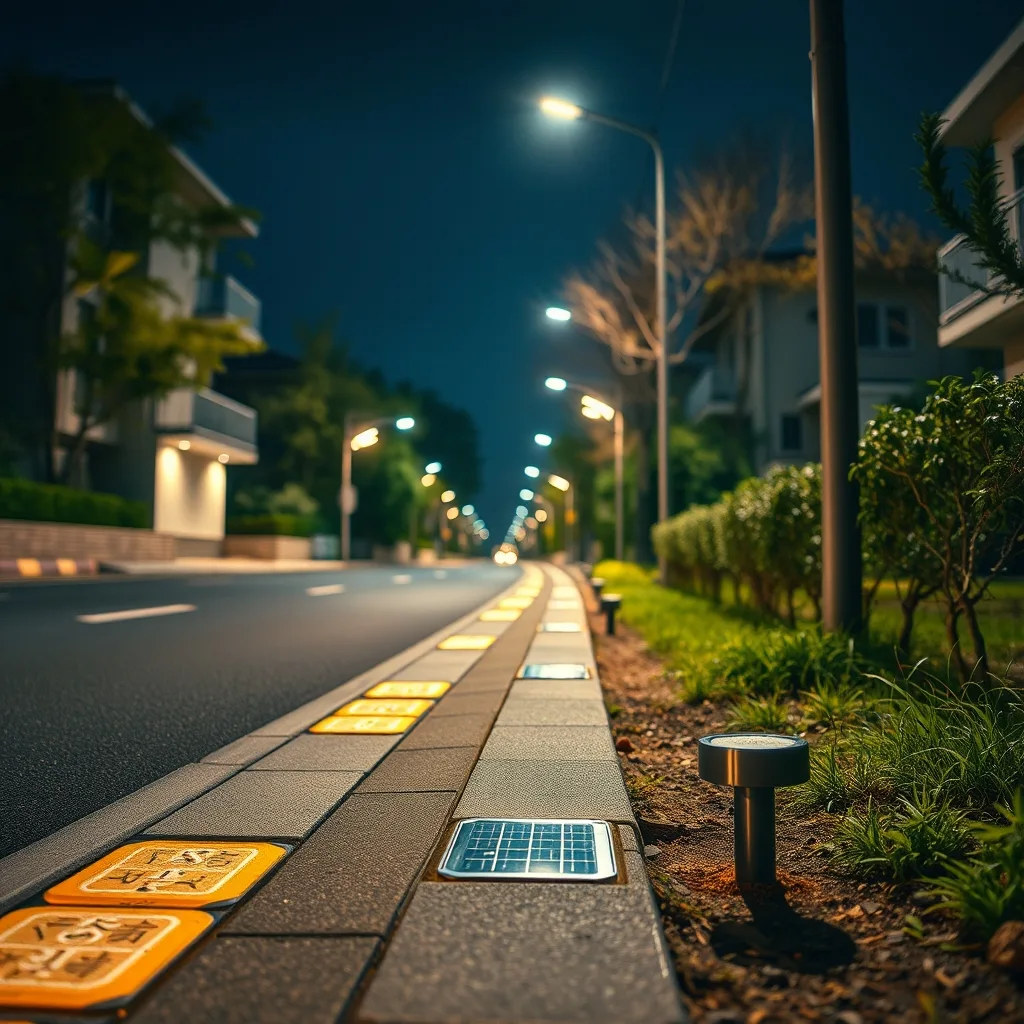
Safe return-home paths. Some residential blocks have "safe return" routes marked by solar-powered guide lights embedded in the pavement. These small glowing markers light up a clear walking line along darker stretches of road, so the route from a bus stop or station to home stays visible at night.
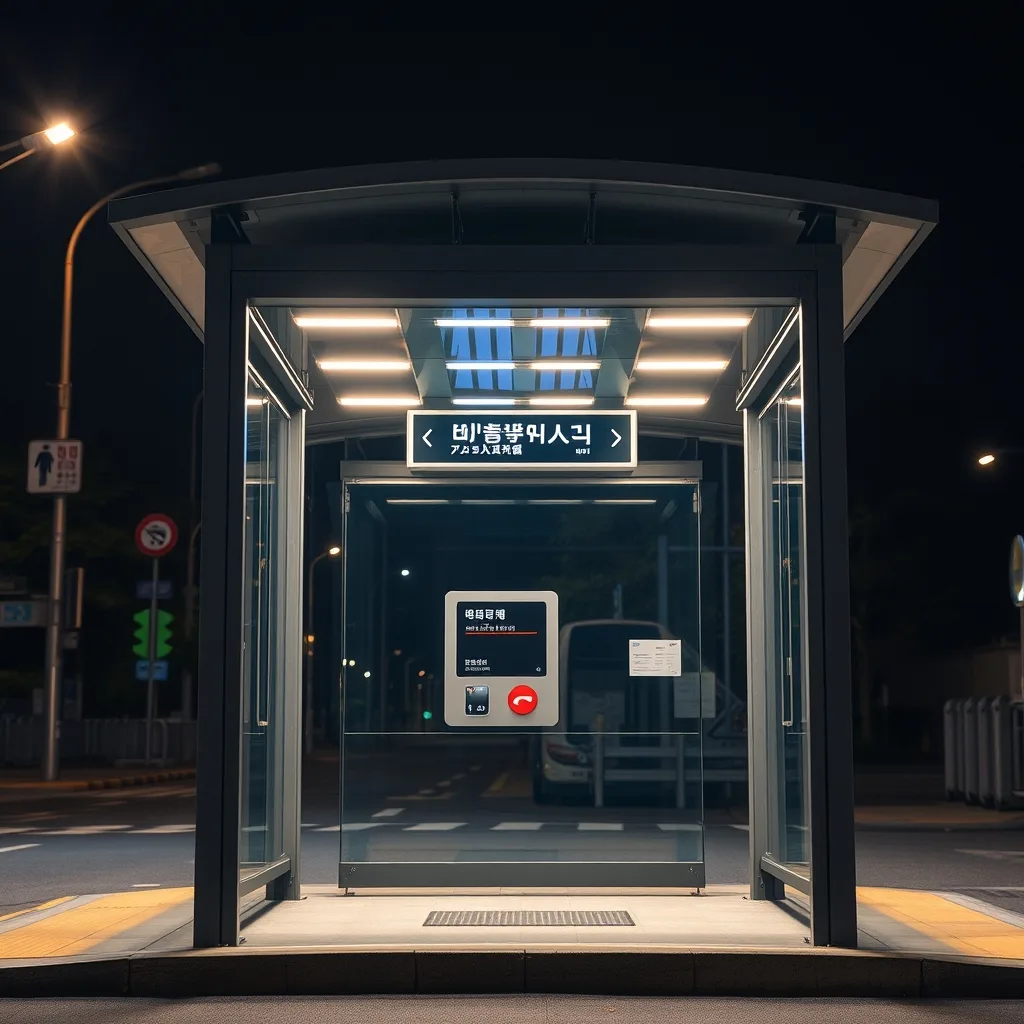
Smart bus shelters and CCTV-lit stops. Newer bus shelters are built from transparent glass and brightly lit inside, so you remain visible from the street while you wait, with real-time arrival displays and, in many cases, an emergency call button on a wall panel.
Seoul also runs a safe-return escort service in many districts, where, on request, a trained scout can accompany residents walking home late at night from a designated point. Many guesthouses and hotels additionally offer female-only floors or women-only dorm rooms, which is worth asking about when you book.
Practical Safety Tips for Solo Female Travelers
A few habits make an already-safe trip smoother:
Use official taxi apps. Hail taxis through a trusted app such as Kakao T rather than accepting rides from drivers who approach you, especially around nightlife areas. The app logs your trip and driver details.
Stay central and well-lit at night. Areas like Myeongdong, Hongdae, Insadong, and Gangnam stay lively and well-lit; sticking to busier streets late at night is an easy, effective precaution anywhere in the world.
Know the emergency numbers. Dial 112 for police and 119 for fire, medical, or ambulance — both have some English support. The 1330 Korea Travel Hotline is a free, 24-hour multilingual line for tourists that can also help interpret in urgent situations.
Normal drink and crowd awareness. As in any city, keep an eye on your drink and your surroundings in busy bars and clubs.
For a broader look at why the country feels this way, see our guide to Seoul safety for tourists.
Situations to Stay Aware Of
Seoul is safe, not magic, so a little awareness goes a long way. Nightlife districts get crowded and loud late at night, and that is where most minor incidents — pushy strangers, the occasional pickpocket — are most likely. Petty theft is uncommon by big-city standards but not impossible in dense crowds.
One concern that female travelers sometimes read about is illegal hidden-camera filming, known locally as "molka." Korean authorities take it seriously and run regular public-restroom inspections and crackdowns, and it is not something most visitors ever encounter. Being aware of it is reasonable; being afraid of Seoul because of it is not proportionate to the everyday reality.
The overall picture stays consistent: ordinary precautions, official taxis, busy routes at night, and the emergency numbers above are all you really need.
Frequently Asked Questions
Q: Is it safe to walk alone at night in Seoul as a woman?
Answer: Generally yes. Central Seoul stays busy and well-lit late into the night, with heavy CCTV coverage and dedicated safety infrastructure like SOS poles and lit walking paths. Stick to busier, well-lit streets and use an official taxi app for late rides, and most solo female travelers find night-time movement comfortable.
Q: What number do I call in an emergency in Seoul?
Answer: Dial 112 for police and 119 for fire, medical, or ambulance services. For tourists, the 1330 Korea Travel Hotline is a free, 24-hour multilingual line that can help with directions, interpretation, and urgent guidance.
Q: Is the Seoul subway and public transport safe late at night?
Answer: Yes. The subway and buses are clean, frequent, well-lit, and heavily monitored by CCTV, and stations stay busy until they close. For travel after the subway stops running, use a licensed taxi booked through an app such as Kakao T rather than an unmarked car.
Disclaimer
This article is provided for general informational and educational purposes and is not a substitute for professional, medical, or legal advice. Emergency numbers, procedures, and service hours can change; verify current details with official sources — such as the U.S. Department of State, the U.S. CDC, the U.S. Embassy in Seoul, and the Korea Tourism Organization (1330 / VisitKorea) — before relying on them. Information verified as of June 2026.