Is Tap Water Safe to Drink in Korea? What Visitors Should Know
Published on June 26, 2026
Yes, tap water in South Korea is officially safe to drink. It is treated and tested to meet the country's national drinking-water standards, and Seoul even brands its tap water as a product called "Arisu." Still, many Koreans choose to drink boiled barley tea, filtered water, or bottled water at home — more out of taste and long-standing habit than any real doubt about how the water is treated.
For visitors, this can be confusing. If the water is safe, why does almost every Korean home have a water purifier, and why do restaurants serve filtered water instead of pouring it straight from the tap? The answer says a lot about how Koreans think about water, freshness, and trust.
How Korea Treats and Tests Its Tap Water
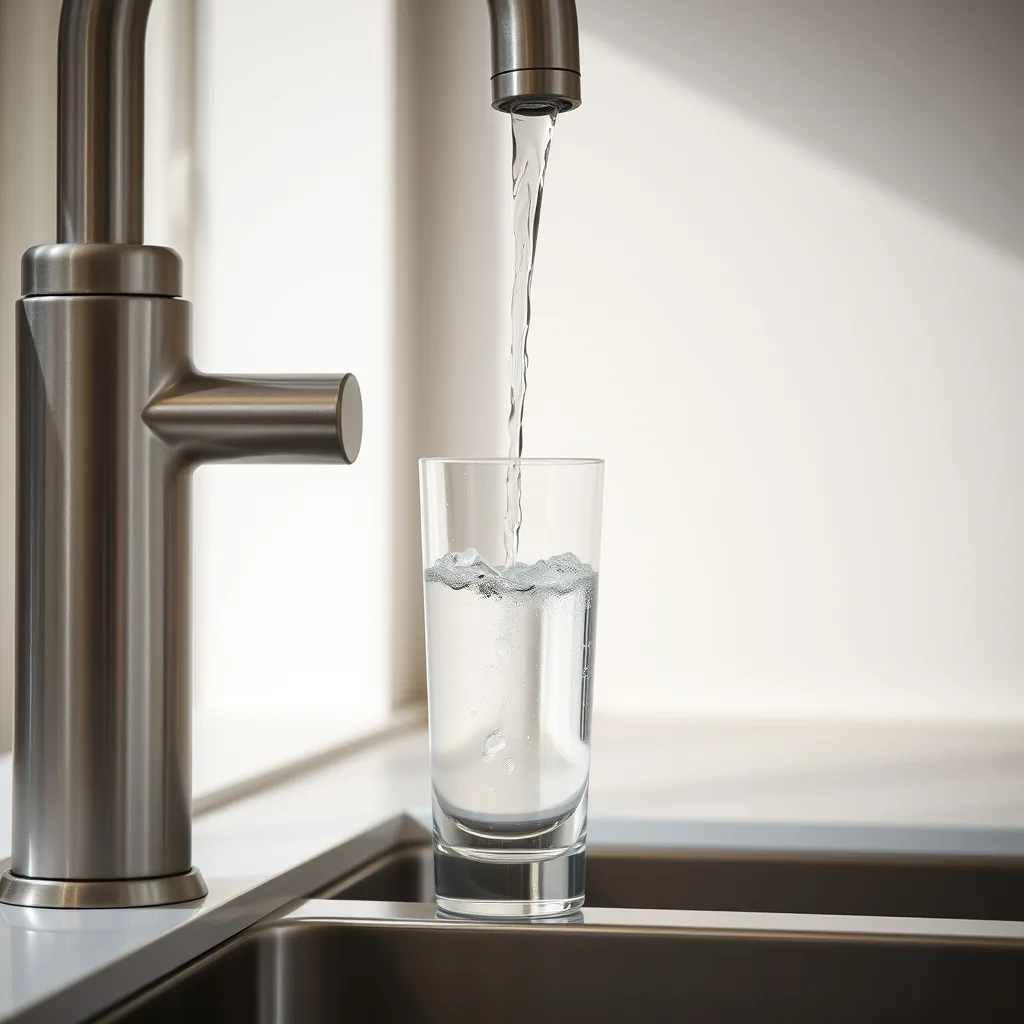
South Korea runs a modern, centralized water system. Raw water from rivers and reservoirs is filtered, disinfected, and monitored before it reaches homes. Local water authorities publish regular quality reports, and the treated water is designed to meet national standards based on World Health Organization guidelines.
In practical terms, this means the water leaving a treatment plant is clean and drinkable. Authorities in major cities actively encourage residents to drink it directly, and public buildings often have drinking fountains connected to the regular supply.
Treatment typically moves through several stages, including filtration to remove particles and disinfection to neutralize harmful microbes, with continuous monitoring along the way. Because the system is centralized and regulated, the quality of the water leaving the plant is consistent and predictable across a city.
So at the source and in the pipes maintained by the city, the water itself is not the problem. Where doubt creeps in is the "last mile" — the older pipes, rooftop tanks, and plumbing inside individual buildings that the city does not directly control.
Why Many Koreans Still Don't Drink It Straight
Despite the safety record, a large share of households rarely drink unfiltered tap water. There are a few overlapping reasons, and none of them mean the treated water is unsafe.
First is the plumbing. Many apartments and older buildings were built decades ago, and some still rely on aging interior pipes or shared storage tanks. Residents worry less about the city's treatment and more about what happens to the water after it enters their own building.
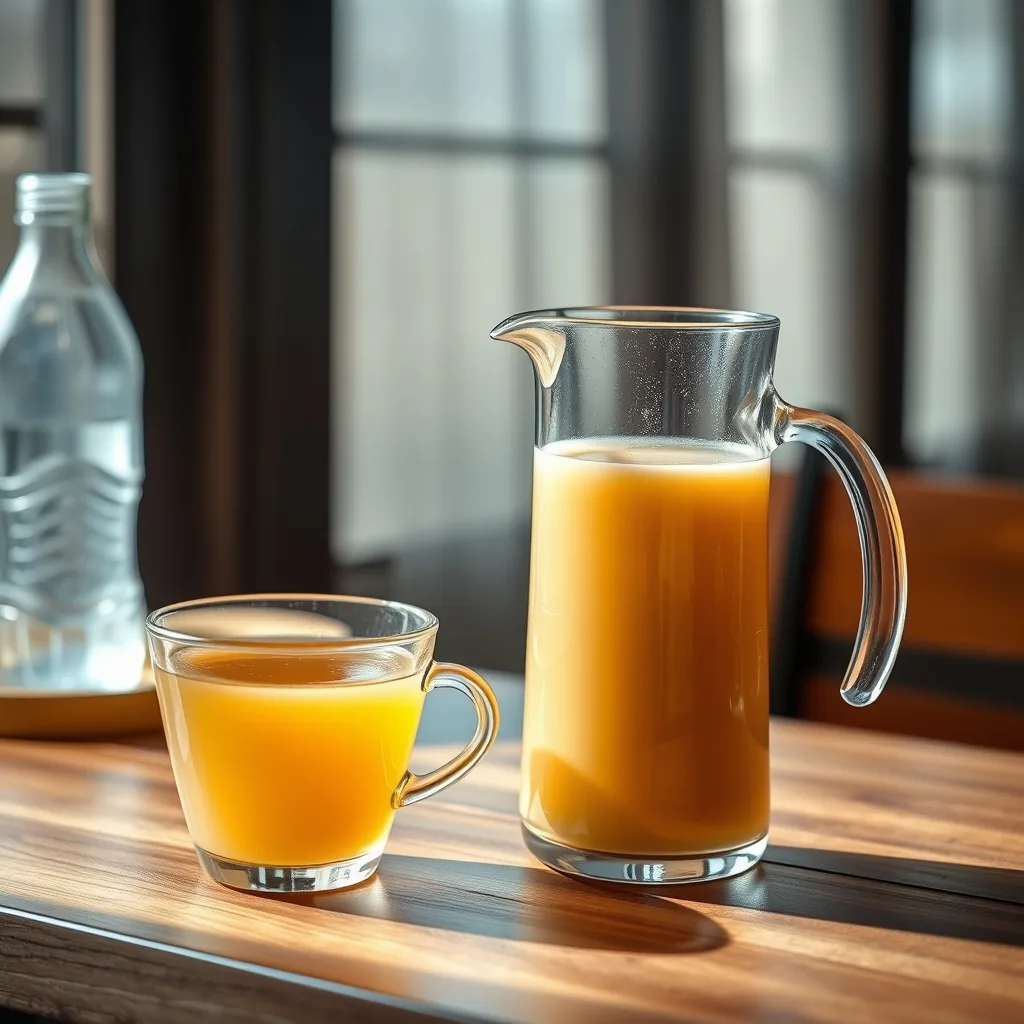
Second is taste and habit. Tap water can carry a faint chlorine smell from disinfection, and many Koreans simply grew up drinking boiled water or Korean barley tea. Boiled barley tea, called "boricha," is a household staple served warm or chilled, and for many families it is the default everyday drink rather than plain water.
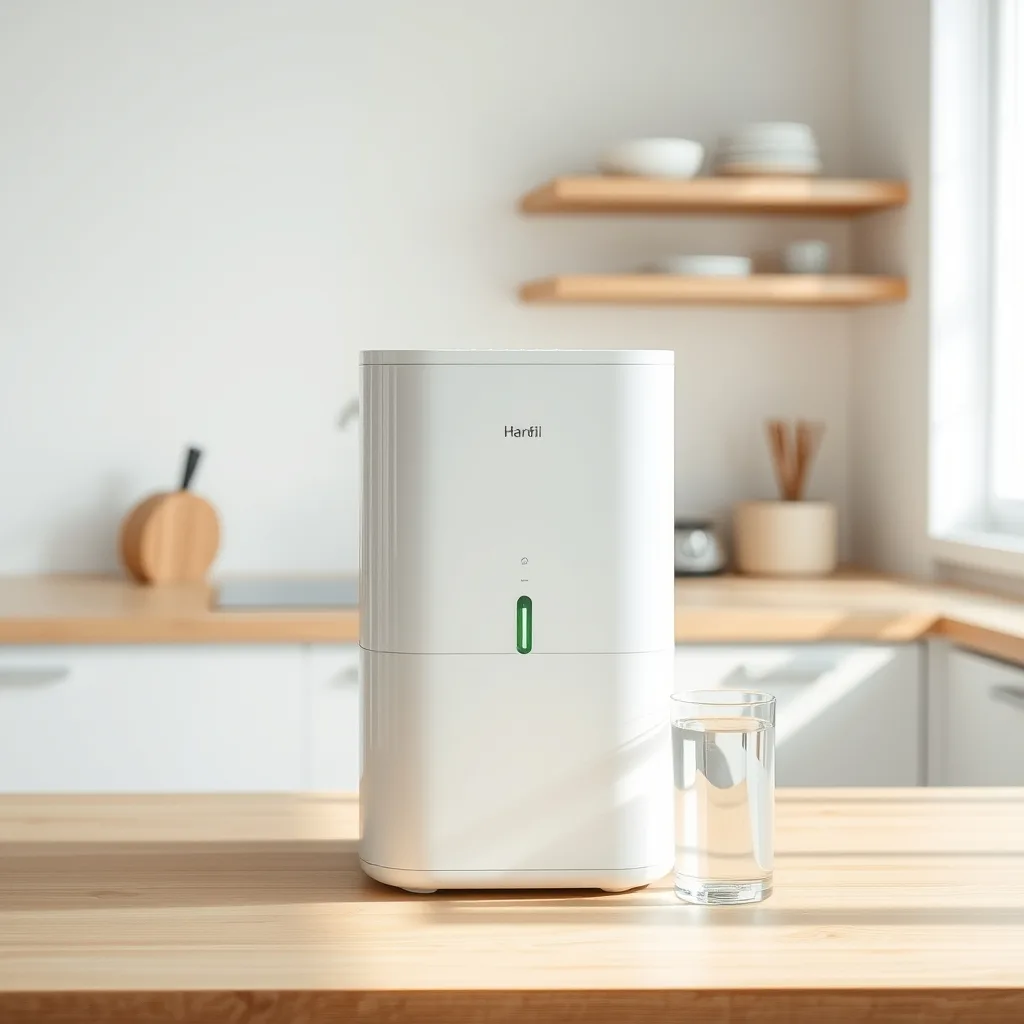
Third is the rise of the home water purifier. Filtered-water systems became affordable and widespread, and today a purifier is considered normal kitchen equipment in homes and offices alike. Once a purifier is on the counter, drinking straight from the tap feels unnecessary.
Arisu: Seoul's Branded Tap Water
Seoul took an unusual step to fight the perception problem head-on. The city gave its tap water a brand name — "Arisu," an old name for the Han River — and promotes it as clean, tested, and ready to drink.
Arisu appears on public drinking fountains, in bottled form at city events, and in campaigns encouraging residents to refill from the tap. The branding effort exists precisely because the water is safe but many people still hesitate. Changing a deeply rooted habit, it turns out, is harder than meeting a lab standard.
This gap between official safety and everyday behavior is the key thing to understand. The science says the water is fine; the culture still leans toward boiled, filtered, or bottled options.
What This Means for Visitors
For travelers, the bottom line is simple: tap water in South Korea, and especially in Seoul, is considered safe to drink. You can brush your teeth, fill a glass, and use it for cooking without concern.
If you prefer not to, you have easy alternatives. Restaurants and cafés almost always provide free filtered or purified water, often from a self-service dispenser near the entrance. Korean convenience stores sell inexpensive bottled water on practically every block. And if you are staying in a Korean home or guesthouse, there is a good chance a water purifier is already on the counter waiting for you.
In short, the safety question has a clear answer, even if local habits add a layer of nuance on top of it.
Frequently Asked Questions
Q: Can I drink tap water directly from the faucet in Seoul?
Answer: Yes. Seoul's tap water, branded Arisu, is treated and tested to meet national drinking-water standards and is officially considered safe to drink straight from the tap. Many locals still prefer filtered or boiled water out of habit, but doing so is a preference, not a safety requirement.
Q: If the water is safe, why does every Korean home have a water purifier?
Answer: Purifiers became popular for taste, convenience, and reassurance about older building plumbing rather than because the city's treated water is unsafe. Once filtered water is easily available at the counter, drinking straight from the tap simply feels unnecessary to many households.
Q: Is it safe to use tap water for brushing teeth and cooking?
Answer: Yes. Using tap water for brushing teeth, washing food, and cooking is considered completely safe throughout South Korea. If you prefer bottled water for drinking, it is cheap and available at any convenience store, but it is not a safety necessity.