Why Korean Homes Have a Separate Refrigerator Just for Kimchi
Published on June 26, 2026
Walk into almost any home in South Korea and you may notice something unusual in the kitchen: not one refrigerator, but two.
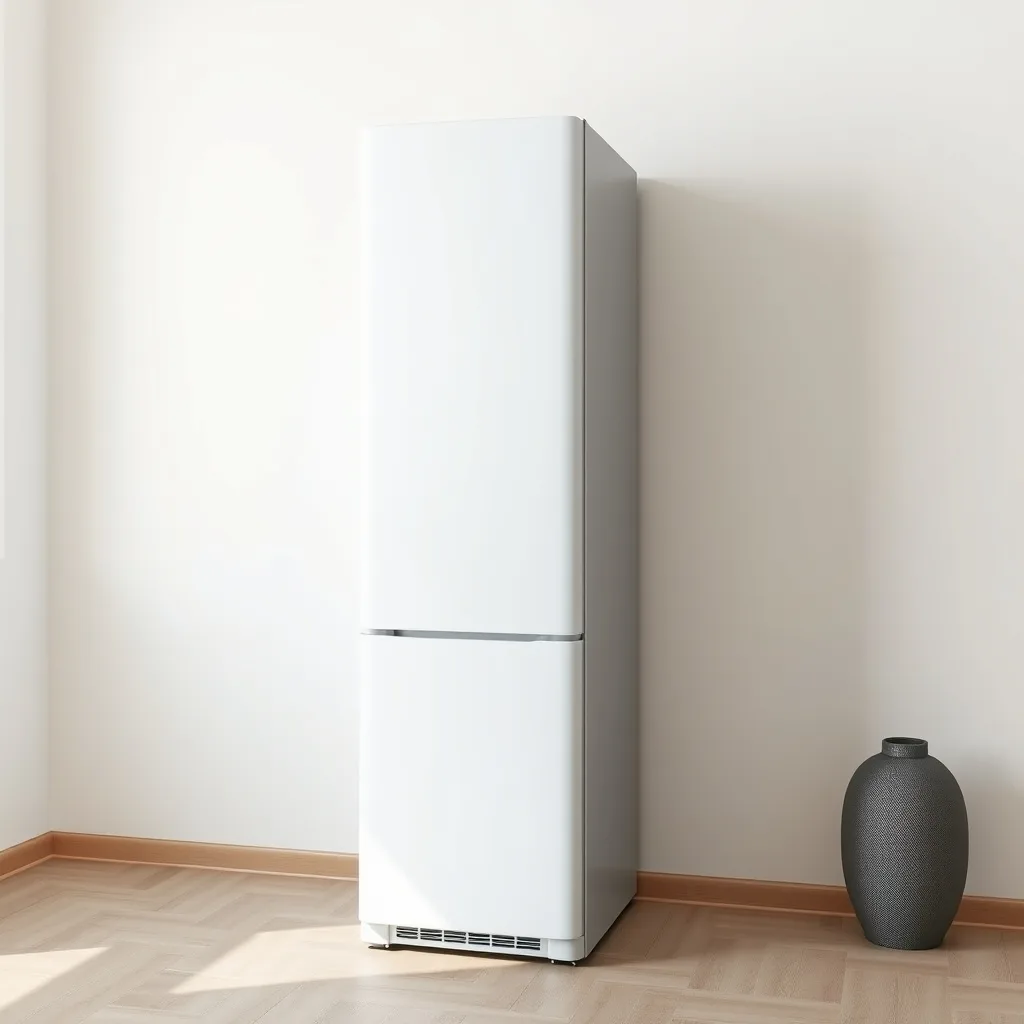
The second one is often shorter and boxier, tucked into a corner, a back balcony, or a utility room. It rarely holds milk or leftovers. Instead, it is dedicated almost entirely to a single food — kimchi, the fermented vegetable dish served at nearly every Korean meal.
To an American visitor, buying a whole separate appliance for one food can sound excessive. But the kimchi refrigerator, known in Korean as the gimchi-naengjango, is one of the most common household appliances in the country. Understanding why it exists reveals a great deal about how Koreans eat, store food, and think about freshness.
From a Hole in the Ground to a Kitchen Appliance
For centuries, Korean families stored kimchi in heavy earthenware jars called onggi. The jars were buried partway into the ground, usually in a yard or courtyard.
The soil did something a kitchen could not. It held the kimchi at a steady, cold temperature close to freezing, even as the air above swung between hot summers and harsh winters. That stability is exactly what fermented kimchi needs to ripen slowly instead of turning sour too fast.
Then Korea changed shape. Through the 1980s and 1990s, the country urbanized quickly, and high-rise apartments replaced houses with yards. By the time apartment living became the norm, most families simply had no patch of earth left to bury a jar in.
A regular refrigerator was not a good substitute. Its temperature drifts as the door opens and closes, it is drier, and its circulating air tends to over-ferment kimchi within weeks. Just as inconveniently, the strong garlic-and-chili aroma of kimchi seeps into everything else on the shelves.
The solution was a purpose-built machine that recreated the buried jar — indoors.
What Makes It Different From a Regular Fridge
A kimchi refrigerator is engineered to do the opposite of what a normal fridge does well. Instead of keeping a wide variety of foods at a convenient temperature, it keeps one type of food at a very specific one.
Most refrigerator compartments sit around 2 to 5 degrees Celsius (about 36 to 41°F). A kimchi refrigerator runs colder, hovering near 0 to minus 1 degree Celsius (roughly 30°F) without freezing the vegetables solid.
The bigger difference is how it cools. Standard fridges blow chilled air around, which dries food and creates temperature swings. Many kimchi refrigerators instead use a direct cooling method, with cooling panels built into the walls of the compartment. This wraps the contents in steady, even cold with very little air movement — much closer to the conditions inside buried soil.
The result is higher humidity, fewer temperature swings, and slower fermentation. Kimchi stays crisp and develops flavor gradually, sometimes staying good for many months rather than a few weeks.
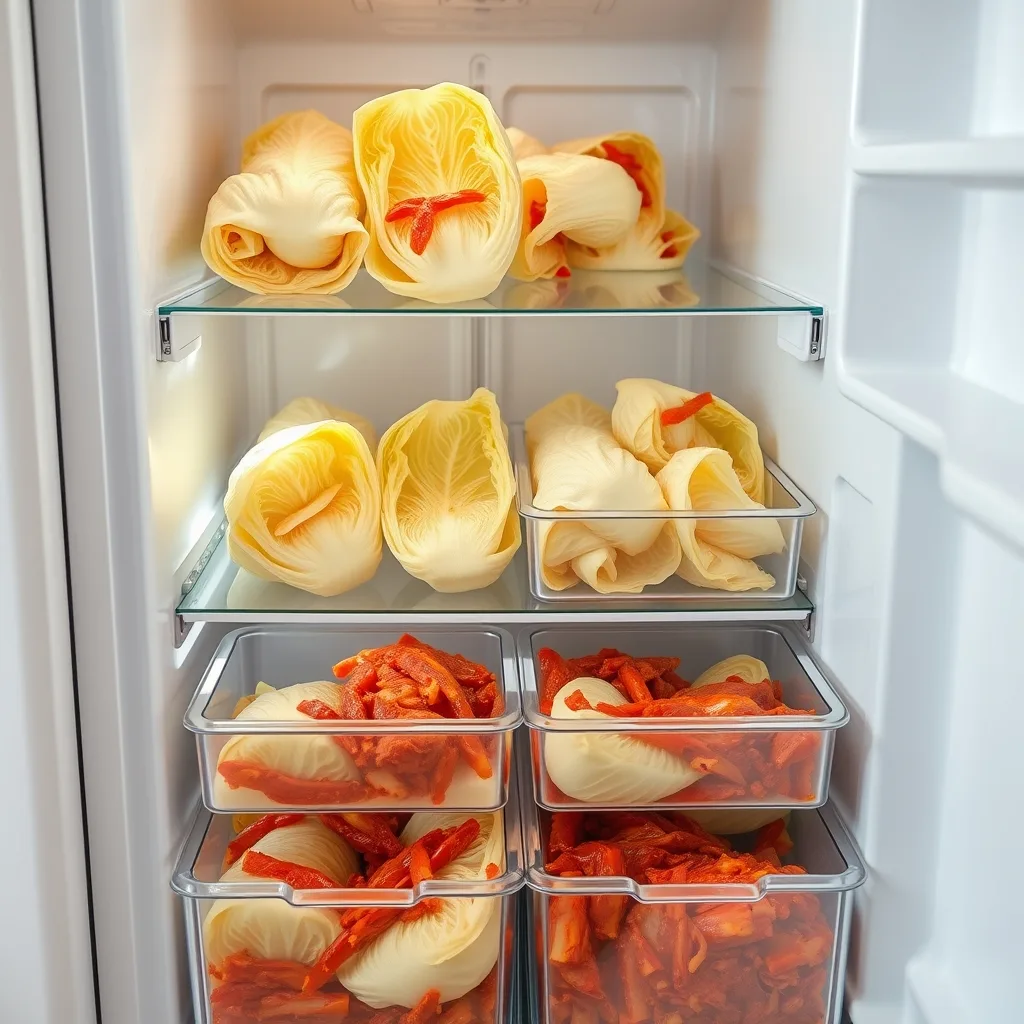
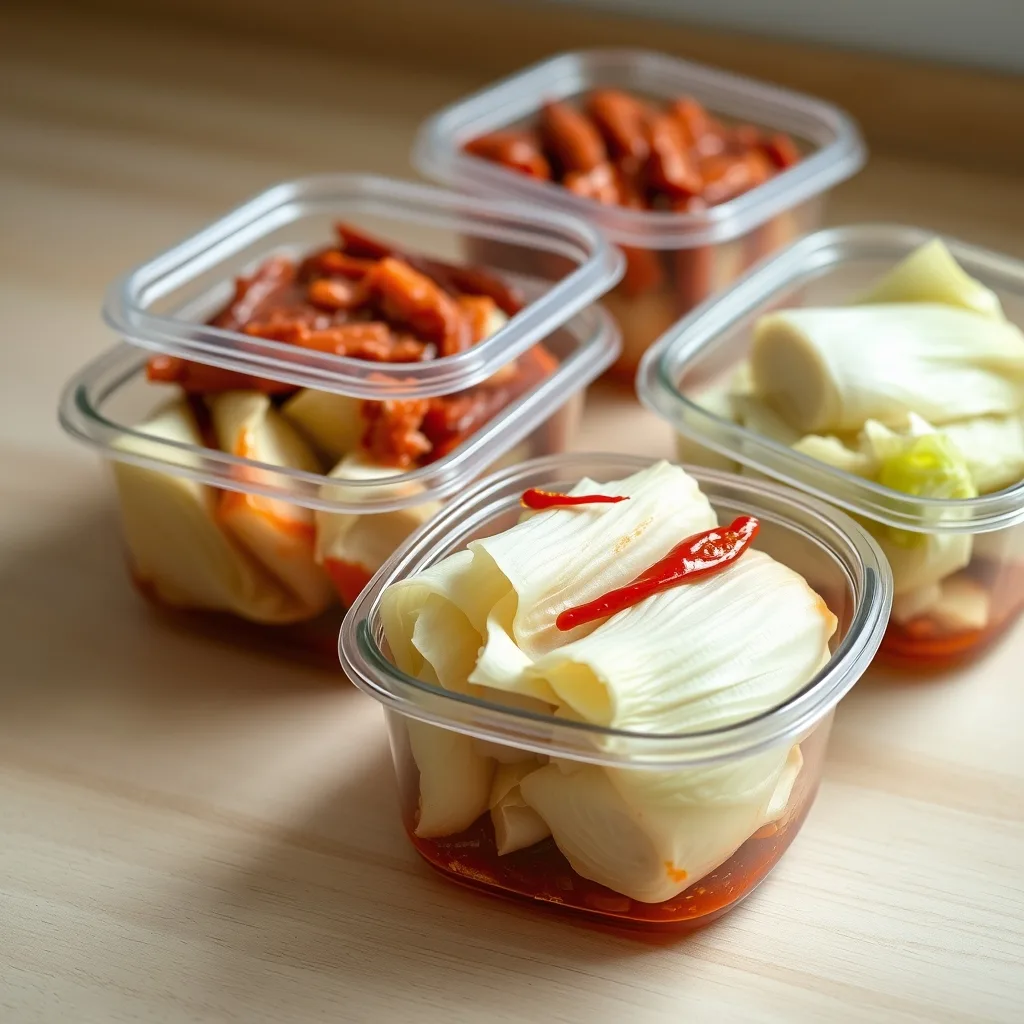
Two main designs dominate Korean homes. Lid-type models open from the top like a chest freezer and hold cold especially well, since cold air sinks and stays put when the lid lifts. Standup or drawer-type models look more like a conventional fridge, with pull-out drawers that are easier to reach but trade away a little cold retention. Inside, families organize their kimchi into sealed rectangular containers, often clear plastic or stainless steel, so different batches stay separate and odor stays contained.
How One Brand Became the Word Itself
The category has a clear turning point. The term "kimchi refrigerator" goes back to a 1984 model from GoldStar, an ancestor of today's LG. But the appliance only became a household staple in December 1995, when the company Mando (later Winia) launched a brand called Dimchae.
Dimchae succeeded so completely that, for many Koreans, the brand name became shorthand for the appliance itself — much the way "Kleenex" stands in for tissues in the United States. In a 2004 consumer survey, the kimchi refrigerator was ranked the single most wanted household appliance in the country.
Today the market is shared fairly evenly among Winia, Samsung, and LG, each holding roughly a third. The appliance has gone from a novelty to standard equipment that buyers expect to fit into a new apartment kitchen.
More Than Kimchi: How Families Actually Use It
Despite the name, the kimchi refrigerator quietly became a second fridge for the whole household.
Because it holds such a stable, cold temperature, families use it to store far more than kimchi. Bags of rice, root vegetables, fruit, bottled drinks, and even meat or fish often go inside. Many newer models include adjustable temperature zones, so one drawer can ferment kimchi while another chills beverages or keeps produce fresh.
This flexibility matters most around late autumn. Each year, many Korean families take part in gimjang, the seasonal tradition of making large batches of kimchi to last through winter. A single household can produce dozens of heads of napa cabbage worth at once — far more than a normal fridge could ever hold.
That annual rhythm explains the appliance better than any spec sheet. The kimchi refrigerator is not really about technology for its own sake. It is a modern answer to an old question: how do you keep a food that defines your culture tasting exactly right, long after the yard and the buried jar disappeared?
For Korean families, the answer now hums quietly in the corner of the kitchen.
Frequently Asked Questions
Q: Do most Korean homes really have two refrigerators?
Answer: A dedicated kimchi refrigerator is very common, though not universal. Many families, especially those who make or receive large amounts of kimchi, treat it as a normal part of the kitchen. Smaller households or younger singles may skip it or use a compact model instead.
Q: As a foreign visitor staying in a Korean apartment, what is that extra fridge for?
Answer: If you are renting an apartment or staying in a Korean home and find a second, often boxier fridge, it is almost certainly a kimchi refrigerator. You can usually store ordinary groceries in it, but be aware it runs colder than a standard fridge and may already hold containers of kimchi that carry a strong aroma.
Q: Can't a normal refrigerator just store kimchi?
Answer: It can, but not as well. A regular fridge over-ferments kimchi faster, dries it out, and lets its smell spread to other food. A kimchi refrigerator holds a steadier, colder temperature with less air movement, which keeps the kimchi crisp and slows fermentation for much longer.