How to Get a Korean eSIM — and Whether It Comes with a Local 010 Number
Published on June 30, 2026
If you want a Korean eSIM, the most important thing to know up front is this: most travel eSIMs sold to tourists are data-only, and many do not give you a local Korean 010 phone number at all. Some give you a foreign number you cannot really use for Korean services, and only certain prepaid products from Korean carriers actually include a usable 010 number with calls and texts. This guide explains how Korean eSIMs work, when you can and cannot expect a 010 number, and how to choose the right option — without paying for a feature you assumed was included.
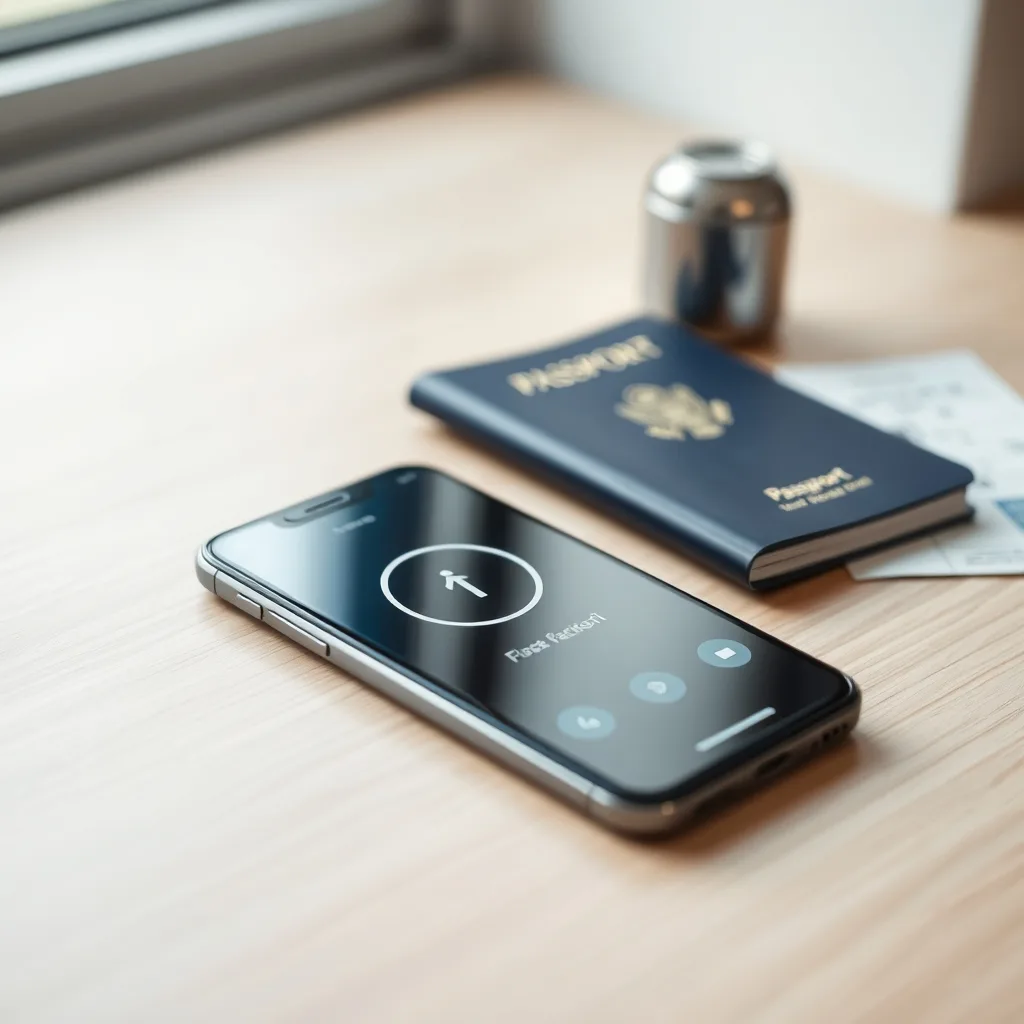
The Short Answer: A Data eSIM Is Not the Same as a Korean Number
It helps to separate two things that travelers often blur together. The first is mobile data — the connection that runs your maps, messaging apps, and translation tools. The second is a local phone number — an actual Korean 010 number that can send and receive ordinary calls and SMS text messages. A great many eSIMs marketed for Korea cover the first and not the second.
For a lot of trips, data-only is genuinely all you need. If you call and text through apps like KakaoTalk, WhatsApp, or your phone's internet calling, a data eSIM can carry your whole trip. The trouble starts when you assume a data eSIM also gives you a 010 number — for example, to receive a verification text from a Korean booking site, a delivery service, or a bank. That is where many travelers get caught out, so it is worth checking before you buy rather than after you land.
Why Most Travel eSIMs Don't Include a 010 Number
There are two reasons this is so common. The first is commercial: international travel-eSIM providers typically resell data capacity rather than issue you a line on a Korean carrier's network, so a local number is often simply not part of the product. The second is regulatory. Korea has long operated a real-name system for mobile lines, which generally means a Korean number must be tied to verified identity documents. For a visitor, that usually points toward a prepaid SIM or eSIM issued through a Korean carrier or its tourist brand, registered with your passport, rather than a generic data eSIM bought online.
Because of this, the honest rule of thumb is: assume a travel eSIM is data-only unless the seller clearly states it includes a Korean 010 number with voice and SMS. Product details change often, and wording like "phone number included" can sometimes mean a foreign number or app-based calling rather than a true local line. When a 010 number matters to you, treat it as a feature you must confirm in writing, not one you can take for granted.
How to Actually Get a Local 010 Number (When You Need One)
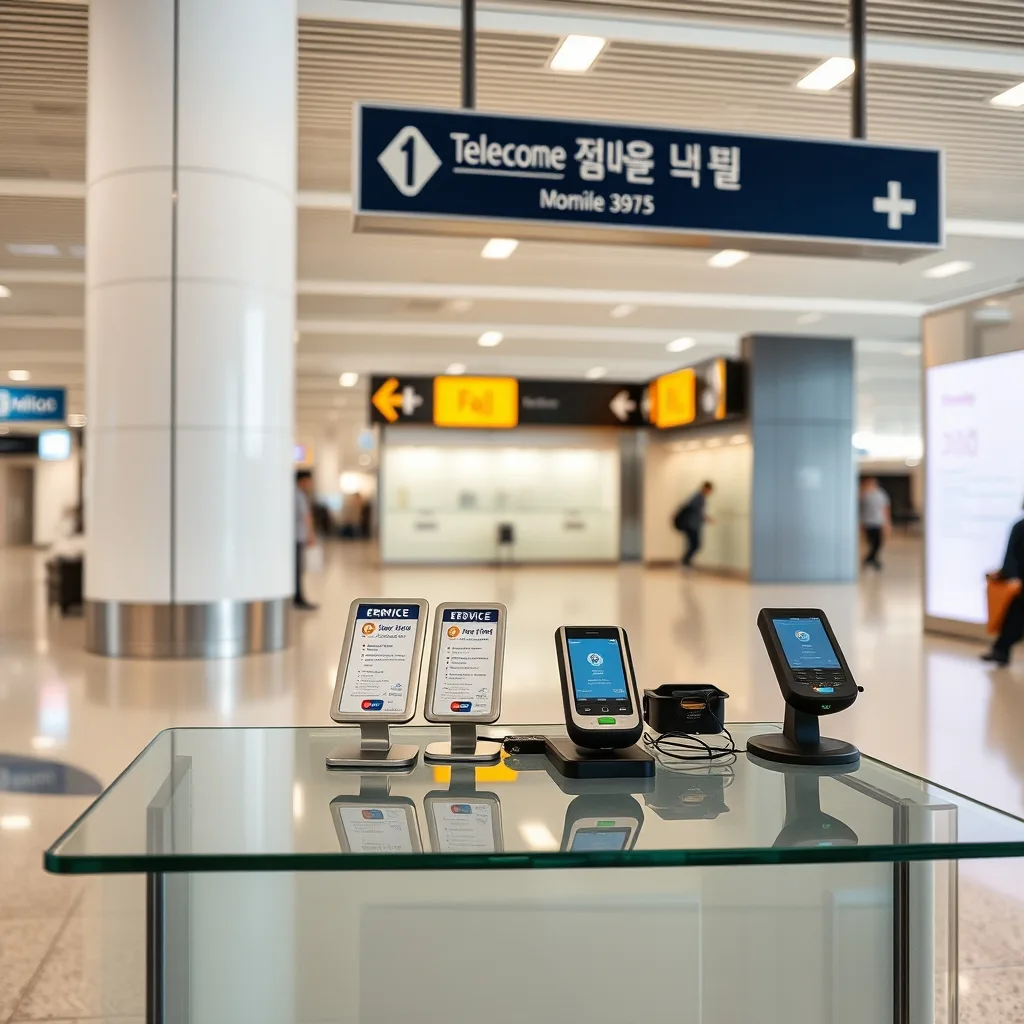
If you specifically need a Korean 010 number — to receive local verification texts, register for certain apps, or be reachable on a normal Korean line — the most reliable route is a prepaid product from a Korean mobile carrier or an MVNO (a smaller operator that runs on the big networks). These are commonly available at the airport on arrival and through travel-booking platforms, and some are offered as eSIMs while others are still physical SIM cards. Whether a particular plan is available as an eSIM, and whether it includes a genuine 010 number with calls and texts, varies by product and can change over time — so confirm both points with the provider before paying.
In practice that means one of three things: picking up a tourist prepaid line at an airport arrivals counter, reserving one through a booking platform and activating it on arrival, or buying from a carrier store in the city with your passport. Each can, depending on the plan, come with a temporary 010 number for the length of your stay. Read the plan description for the words "010," "voice," and "SMS," and check the validity period so the number stays active for your whole trip.
What a Passport-Registered 010 Number Can — and Can't — Do
Even when you do get a real local 010 number on a tourist prepaid plan, it is worth being clear about its limits, because a 010 number does not automatically unlock everything a resident's line can. A tourist prepaid 010 (whether on a physical SIM or an eSIM) is registered to your passport, and that distinction matters.
In practice, a passport-registered 010 number is usually enough for everyday traveler tasks: it can receive the SMS verification codes that many Korean booking apps, ride-hailing apps, and delivery services send when you sign up or confirm an order. That is the most common reason a visitor wants a local number at all, and a prepaid 010 generally handles it.
Where it stops is identity verification that requires Korean residency. Opening a Korean bank account, and completing the official real-name identity checks used by government services and many financial platforms, generally require an Alien Registration Card (ARC) — the residence card issued to foreigners who stay long-term and register with immigration. A short-term visitor on a passport-based prepaid line does not have an ARC, so a passport-registered 010 number alone will not pass those checks. If your trip depends on opening a local bank account or clearing a government real-name verification, plan around the ARC requirement rather than assuming a tourist SIM will cover it.
If your main goal is simply to tap, ride, and pay around the country, your phone line is only half the picture — a rechargeable transit card is the other half, and our guide to travel cards for tourists walks through how those work alongside your data plan.
Will My Phone Even Work? eSIM Compatibility Basics
Two conditions have to be true before any eSIM will work. First, your phone must support eSIM — most recent flagship models do, but many mid-range and older phones do not, so check your model's specifications. Second, your phone must be carrier-unlocked, meaning it is not locked to a home network that blocks other SIMs. If either condition fails, an eSIM purchase will not activate, and you would need a physical SIM instead.
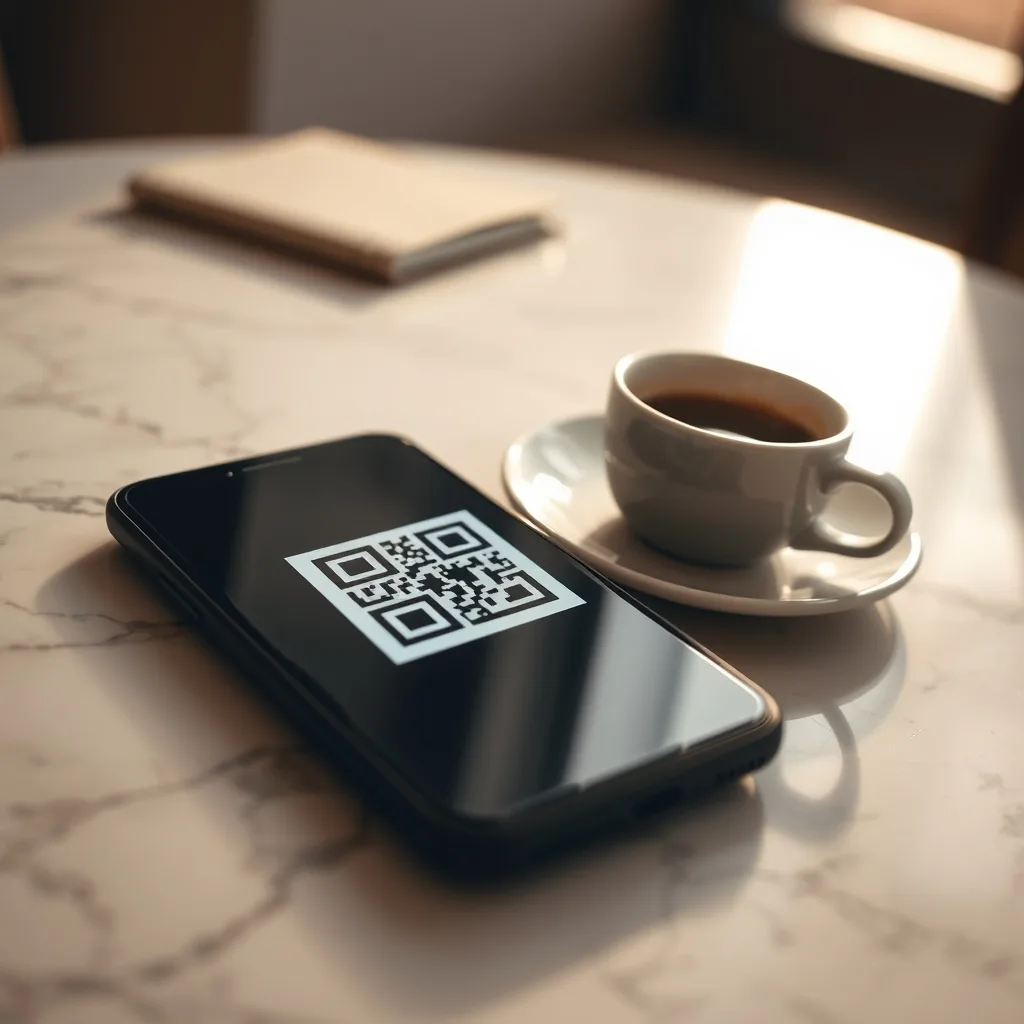
It is also worth installing or activating an eSIM before you rely on it. Most eSIMs are delivered as a QR code or an in-app profile that you scan and install while you still have a working internet connection, then switch on when you arrive. Doing the setup at home, on familiar Wi-Fi, avoids the stress of troubleshooting at the airport.
How to Choose the Right Option for Your Trip
Start by deciding whether you truly need a 010 number or just data. If you only need data for maps, translation, and app-based messaging, a data-only eSIM is usually the cheapest and simplest choice, and you can be online the moment you land. If you need Korean verification texts or a reachable local line, prioritize a prepaid carrier or MVNO plan that explicitly lists a 010 number with voice and SMS, and confirm it is offered as an eSIM if you prefer not to swap physical cards.
For booking ahead, travel platforms such as Klook list a range of Korean SIM and eSIM plans you can reserve before departure; compare the data allowance, the validity period, and — most importantly for this question — whether a local number is included. (Some links to booking platforms may be affiliate links, which means we could earn a small commission at no extra cost to you; it never changes what we recommend.) Prices and exact plan features change frequently, so verify the current details on the provider's own page before you pay.
Frequently Asked Questions
Q: Does a Korea travel eSIM come with a phone number?
Answer: Often not. Many travel eSIMs for Korea are data-only, and some that advertise a "number" provide a foreign number or app-based calling rather than a local Korean 010 line. If you need a real 010 number with calls and texts, confirm that specific feature with the seller before buying.
Q: Can I get a Korean 010 number as an eSIM, or only a physical SIM?
Answer: It depends on the product. Some Korean carrier and MVNO prepaid plans are offered as eSIMs and others only as physical SIM cards, and availability changes over time. Check directly with the provider whether your chosen plan offers a 010 number and whether it is available as an eSIM.
Q: Can I open a Korean bank account with a tourist prepaid 010 number?
Answer: Generally no. A tourist prepaid 010 is registered to your passport and is usually fine for receiving app SMS verification codes, but opening a Korean bank account and clearing official government real-name identity checks normally require an Alien Registration Card (ARC), which short-term visitors do not have. Plan around the ARC requirement if your trip depends on those.
Q: Do I need a Korean phone number at all?
Answer: Not for everything. For maps, translation, and messaging through apps, data alone is usually enough. A local 010 number mainly matters if you need to receive Korean verification texts or be reachable on an ordinary local line.
Q: Will my phone support a Korean eSIM?
Answer: Only if it both supports eSIM and is carrier-unlocked. Many recent flagship phones support eSIM, but plenty of mid-range and older models do not, so check your phone's specifications, and make sure it is not locked to your home carrier.
Q: Should I set up the eSIM before arriving in Korea?
Answer: Yes, where possible. Most eSIMs install from a QR code or app profile while you still have internet, so doing the setup on home Wi-Fi before you fly means you can simply switch it on when you land.
About this guide: written and maintained by the Everyday Korea Stories editorial team. Last updated June 2026. Plan names, prices, and number availability change frequently and should be confirmed on each provider's official page before purchase.