Navigating Seoul: The Ultimate Korea Taxi App Guide for Foreigners
Published on July 11, 2026
If you are visiting Korea and want the short answer, here it is: download Kakao T, and if you would rather pay with your home credit card automatically inside the app, add k.ride (also called K-RIDE) or Uber as a backup. Kakao T is the app almost everyone in Korea actually uses, while k.ride and Uber are built to accept international cards without a Korean phone number. You do not need to speak Korean or hold a Korean bank card to get a taxi here — you just need to know which app fits your situation. This guide walks through the main taxi apps foreigners use, how payment really works, and the small things that trip up first-time riders.
Why You Want a Taxi App At All in Korea
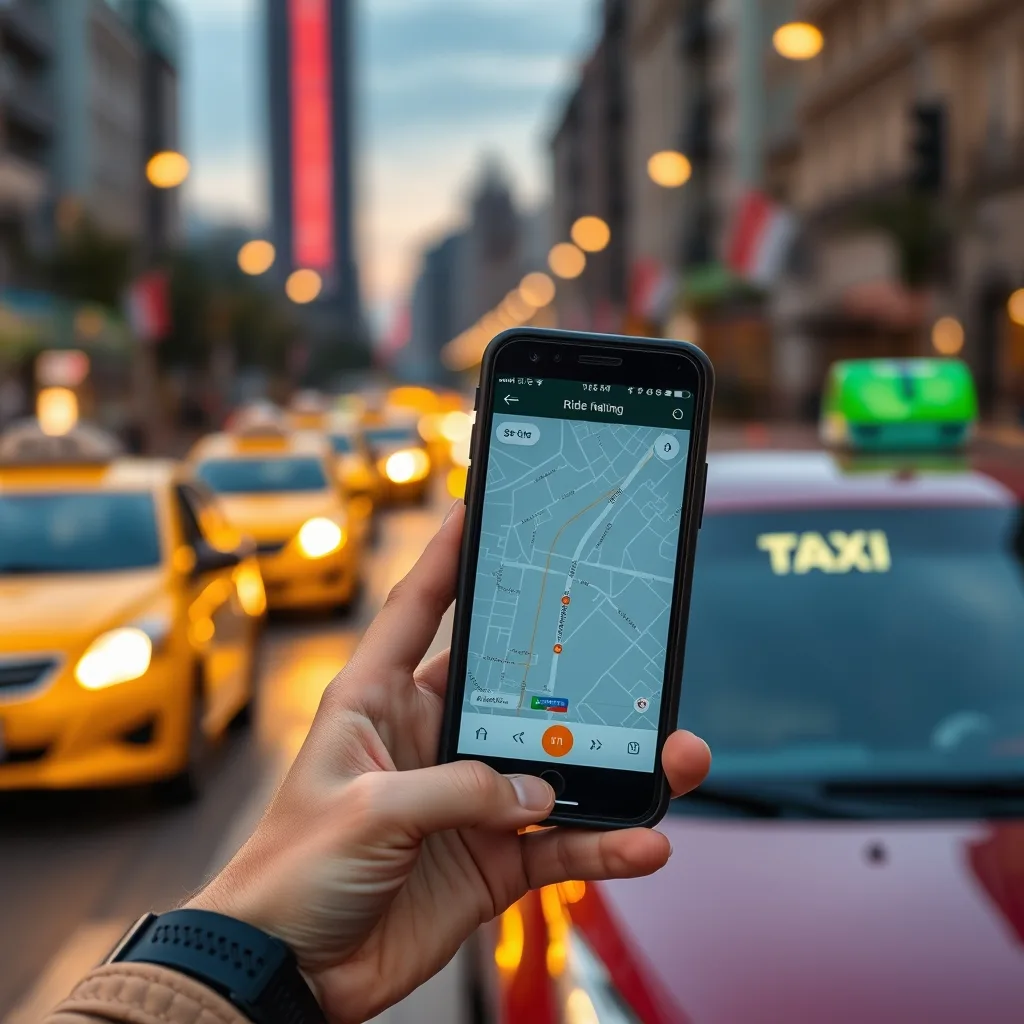
Street-hailing still works in Korea, but an app removes almost every friction point a foreign visitor runs into. You type or pin your destination instead of trying to pronounce a neighborhood name, the driver gets routed to your exact pickup spot, and the fare is metered and transparent. Apps also give you a record of the trip and the car's details, which is reassuring late at night or when you are traveling alone.
The other reason is coverage and speed. Korea's ride-hailing market is dominated by one app by a wide margin, so during busy hours the app with the most drivers will simply find you a car faster than waving at the street. For most trips in Seoul, an empty cab is never far away, but at rush hour, in the rain, or in a quieter district, the app is what closes the gap.
Kakao T: The One Everyone Uses
Kakao T, made by Kakao Mobility, is the default taxi app in South Korea and holds the large majority of the ride-hailing market. It has the most drivers, the widest geographic coverage — including smaller cities where other apps simply do not operate — and typically the fastest pickup times. The interface is available in English and Japanese as well as Korean, and you can set your destination by searching a landmark, a hotel name, or dropping a pin on the map.
Here is the important nuance for foreigners. Registering an overseas credit card inside Kakao T for automatic in-app payment is unreliable, because the card-registration step generally expects a Korean phone number for verification. That does not mean you cannot use the app. You can still call a taxi through Kakao T and then simply pay the driver directly at the end of the ride — by cash, by tapping your international card on the reader built into the car, or with a T-money transit card. In practice this is what a lot of visitors do: hail with Kakao T, pay the driver at the end.
If a rechargeable transit card sounds useful for both taxis and the subway, our guide to the Best Travel Cards for Tourists explains how those work.
k.ride (K-RIDE): Built For Foreign Visitors
k.ride is a separate app that Kakao Mobility launched specifically for foreign travelers, and it is the one to reach for if you want tap-and-go payment with your own card. You sign in with a social account such as Google or Apple rather than setting up a KakaoTalk account and Korean phone verification the way Kakao T often expects, and you can register an international Visa, Mastercard, or American Express card for automatic in-app billing. The app runs in English, Japanese, and Chinese, and includes translation features for entering destinations and messaging your driver.
Treat k.ride as the foreigner-friendly, cashless option — its real strength is letting your own card do the paying. Availability can vary by area and the service is still growing, so the practical habit is to open the app and confirm it can actually find a car for your route before you count on it, especially away from major visitor hubs. Think of it as a card-payment convenience layered on top of Kakao T rather than a full replacement for it.
Uber: Familiar If You Already Have It
If you already travel with Uber, it works in Korea and your existing account carries over without changing any country settings. Uber operates mainly in Seoul and Busan, runs 24 hours a day, supports English, and takes the international card already saved in your account. Because of Korean regulations, Uber here is not the private-driver model you may know from other countries — it dispatches licensed taxis and a premium car tier rather than everyday drivers in their own cars.
The honest limitations: Uber has fewer available cars than Kakao T, so wait times can be longer, fares tend to run higher, and outside Seoul and Busan it is not a reliable option. A common approach is to open Uber first for the payment convenience and switch to Kakao T if no car appears.
Premium and Van Options
Beyond the standard apps, a larger van service is worth knowing about if you are carrying luggage or traveling as a group. TADA, for example, offers spacious rides with trained drivers and is set up for group and airport trips within its listed service areas. It costs more than a standard taxi, but the extra room and consistency can be worth it for an airport run with suitcases or a family trip.
Korea also has deluxe taxis — black cars with a gold stripe — driven by more experienced drivers, with a higher starting fare in exchange for a roomier ride. You will see these alongside the regular orange and silver cabs.

How Payment, Fares, and Tipping Actually Work
A few practical realities save you money and confusion:
- International cards are usually accepted in the car. Most Korean taxis have a card reader that takes overseas Visa and Mastercard, so even if an app will not register your card, you can usually still tap to pay the driver directly.
- Do not tip. Korea does not have a tipping culture for taxis. The metered fare is exactly what you owe, and a driver may well chase you down to return any extra you try to hand over. Rounding up is not expected.
- Fares change, so let the app or meter tell you. Rather than trusting an out-of-date number, check the fare estimate the app shows before you confirm, or watch the meter — it is transparent and displays the running total.
- Watch the late-night surcharge. Late at night, taxis add a surcharge, and in Seoul this now begins earlier in the evening than it used to — around 10 p.m. rather than at midnight. The fare you see already includes it, so there is no haggling, but a midnight ride will read noticeably higher than the same trip at noon.
- You need mobile data to run the app. A taxi app is only as good as your connection, so sort out a SIM or eSIM before you rely on it — see our guide on How to Get a Korean eSIM with a Local Phone Number.
Frequently Asked Questions
Q: What is the best taxi app in Korea for foreigners?
Answer: Kakao T is the most useful overall because it has the most drivers and the widest coverage. If you specifically want to pay with your home credit card automatically inside the app, k.ride (K-RIDE) or Uber are the better fit, since both accept international cards without a Korean phone number.
Q: Can I use a taxi app in Korea without a Korean phone number?
Answer: Yes. k.ride lets you sign in with a social account such as Google or Apple, so you can skip the KakaoTalk and Korean-phone setup that Kakao T often expects, and Uber uses your existing account. With Kakao T you can still hail a ride and pay the driver directly even if you cannot register a card in the app.
Q: Do Korean taxis accept foreign credit cards?
Answer: Most do. A card reader that takes international Visa and Mastercard is standard in most taxis, so you can tap to pay the driver at the end of the ride even when in-app card registration is not available.
Q: Do I need to tip a taxi driver in Korea?
Answer: No. Korea has no tipping culture for taxis. You pay the metered fare and nothing more — tipping is genuinely not expected, and drivers often return extra cash.
Q: Does Uber work in Korea?
Answer: Yes, mainly in Seoul and Busan, where it dispatches licensed taxis rather than private drivers. It supports English and international payment, but it has fewer cars and higher fares than Kakao T and is unreliable outside the major cities.
Q: Which app should I use straight from the airport?
Answer: Both work for an airport arrival — k.ride offers airport pickup options and Kakao T has the broadest coverage in Korea. k.ride is convenient if you want your card charged automatically in the app; Kakao T is fine if you are comfortable paying the driver on arrival.
Bottom line: install Kakao T for its unmatched coverage and speed, add k.ride or Uber if you want automatic card payment without a Korean phone number, skip the tip entirely, and make sure you have mobile data before you count on any of them.